

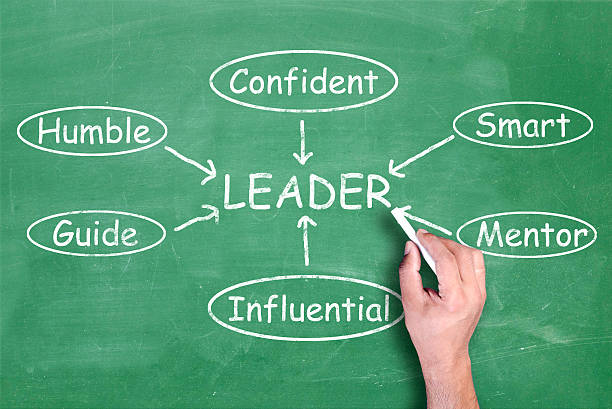
Introduction
When you hear the word “leader”, what comes to mind?
Maybe you are picturing a school captain speaking confidently during an assembly. Or perhaps you are thinking about the captain of your sports team motivating everyone before an important match.
But here’s something you may not have thought about: you don’t need a title or a special badge to be a leader.
In fact, leadership can show up in simple everyday moments. Helping a classmate understand a lesson, taking responsibility for a mistake, speaking up with a new idea, or encouraging a friend who feels nervous are all examples of leadership.
The truth is that leadership isn’t about telling others what to do. It’s about setting a positive example, making responsible decisions, and helping those around you grow.
Let’s explore the qualities of a good leader and how students can start developing them every day.
Why Leadership Skills Matter for School Students
You might be wondering, “Why do leadership skills matter if I’m not a class captain or student council member?”
The truth is, leadership is a life skill. It can help you in many ways, both inside and outside the classroom. Here’s how:
Leadership Builds Confidence
Think about the last time you volunteered to answer a question in class or present a project in front of your classmates. It might have felt a little scary at first, but once you did it, you probably felt more confident.
Leadership encourages you to step outside your comfort zone and believe in your abilities.
Leadership Improves Communication
Good leaders know how to express their ideas clearly. More importantly, they know how to listen.
When you develop strong communication skills, you find it easier to work with classmates, share your opinions, and build positive relationships.
Leadership Encourages Responsibility
Good leaders take responsibility for their actions. They complete tasks on time, keep their promises, and learn from their mistakes.
When you show accountability, you naturally earn the trust and respect of others.
Leadership Develops Problem-Solving Skills
Challenges are a part of school life. A good leader doesn’t panic when something goes wrong. Instead, they look for solutions and learn from the experience.
These problem-solving skills can help you both inside and outside the classroom.
Leadership Supports Future Success
The leadership skills you develop today can help you throughout school, college, and even your future career.
That’s why leadership development is important from an early age.
Top Qualities of a Good Leader Every Student Should Develop
Many people believe that leaders are born with special abilities. The truth is that leadership is a collection of habits and behaviours that anyone can develop with practice.
Let’s look at some of the most important student leadership qualities.
1. Integrity and Honesty
One of the most important qualities of a good leader is honesty. People trust leaders who do the right thing, even when nobody is watching.
For students, this could mean admitting mistakes, keeping promises, and being truthful in every situation. Trust is the foundation of leadership.
2. Effective Communication
Have you ever worked with someone who explained things clearly and made everyone feel heard? That’s a valuable leadership skill.
Good leaders listen carefully, respect different opinions, and communicate their ideas in a way others can understand.
3. Responsibility and Accountability
Leaders don’t wait for someone else to remind them what needs to be done. They take responsibility for their tasks and commitments.
Whether it’s completing homework, preparing for an exam, or helping with a group project, responsible students show leadership through their actions.
4. Empathy and Respect
A great leader understands that everyone is different. Empathy means trying to understand how others feel and treating them with kindness and respect.
Students who support classmates, include others in activities, and respect different opinions often become strong leaders.
5. Confidence Without Arrogance
Confidence helps students share ideas, make decisions, and take initiative. But confidence should never make someone feel superior to others.
Good leaders believe in themselves while remaining humble enough to learn from feedback and mistakes.
6. Problem-Solving Skills
Things don’t always go according to plan. Whether it’s a difficult assignment or a challenge during a team activity, leaders focus on finding solutions rather than complaining about problems.
Problem-solving helps students become more independent and resilient.
7. Teamwork and Collaboration
Leadership is not about doing everything yourself. In fact, some of the best leaders are excellent team players.
They encourage participation, appreciate others’ efforts, and help the entire group succeed.
8. Resilience and Perseverance
Every student faces setbacks at some point. You may lose a competition, score lower than expected, or struggle with a difficult subject.
The difference is how you respond.
Resilient students learn from their mistakes, stay motivated, and keep moving forward despite challenges.
Can leadership qualities be learned?
Absolutely. Nobody is born knowing how to lead.
Think about learning to ride a bicycle or play a musical instrument. You don’t become good at it overnight. Leadership works the same way. The more you practise, the better you become.
Students develop leadership skills through everyday experiences such as the following:
- Participating in sports teams
- Joining student councils
- Taking part in cultural activities
- Working on group projects
- Volunteering for community service programs
Each experience helps students build confidence, communication skills, and responsibility.
Students who learn to set goals, stay disciplined, and overcome challenges often become stronger leaders over time. Many of the qualities that help students stay motivated, such as consistency, resilience, and self-confidence, also play an important role in leadership development.
With encouragement and practice, every student can develop good leadership skills in school.
How Schools Help Students Develop Leadership Skills
Schools play a major role in helping students discover and develop leadership abilities.
A supportive learning environment gives students opportunities to step outside their comfort zones, take initiative, and learn from experience.
Leadership opportunities can come from:
- Student councils
- House leadership positions
- Sports teams
- Club activities
- Public speaking competitions
- Group projects
- Community outreach programs
At Scholars International School, students are encouraged to participate actively in academics, sports, arts, leadership programmes, and student development programmes that help build confidence, responsibility, and teamwork from an early age.
A strong focus on quality CBSE education ensures that students not only achieve academic success but also develop the skills needed to become confident and capable leaders.
How Parents Can Encourage Leadership at Home
Leadership development doesn’t stop when students leave school. Parents can help children build leadership qualities through simple everyday experiences.
Encourage Decision-Making
Allow children to make age-appropriate decisions. Whether it’s planning a study schedule or choosing an extracurricular activity, decision-making helps build confidence and independence.
Promote Responsibility
Giving children responsibilities at home teaches accountability. Simple tasks such as organising their study space or managing their homework can help develop leadership habits.
Allow Children to Solve Problems
It’s natural to want to help children whenever they face challenges. However, allowing them to think through problems independently helps develop critical thinking and resilience.
Be a Positive Role Model
Children often learn by watching the adults around them. Parents who demonstrate honesty, kindness, responsibility, and respect provide powerful examples of leadership in action.
Choosing a School That Nurtures Future Leaders
When selecting a school, academic performance is important. But it shouldn’t be the only factor parents consider. The best schools understand that education is about more than marks and examinations.
Students also need opportunities to build confidence, communication skills, teamwork, and leadership abilities.
Parents should look for schools that provide:
- Strong academic programs
- Experienced teachers
- Leadership opportunities
- Student development programs
- Sports and extracurricular activities
- A supportive learning environment
Schools that focus on holistic education help students grow academically, socially, emotionally, and personally.
Many parents searching for the best schools in South Hyderabad look for institutions that combine academic excellence with leadership development, character building, and future-ready learning experiences.
Conclusion
Leadership is not something reserved for a few students. It is a skill that every child can develop with practice, guidance, and the right opportunities. The qualities of a good leader, such as honesty, responsibility, communication, empathy, teamwork, and resilience, can be learned and strengthened over time.
You don’t need a leadership title to start making a positive impact. Small actions, daily habits, and a willingness to help others can make a big difference. By staying focused on your goals and consistently practising these qualities, you can become a positive influence both in school and beyond.
Remember, every leader starts somewhere. By practising these qualities every day, you can build the confidence, skills, and mindset needed to make a positive impact both in school and beyond.
So why wait? Start practising these leadership qualities today and take the first step toward becoming the leader you aspire to be.
FAQs